
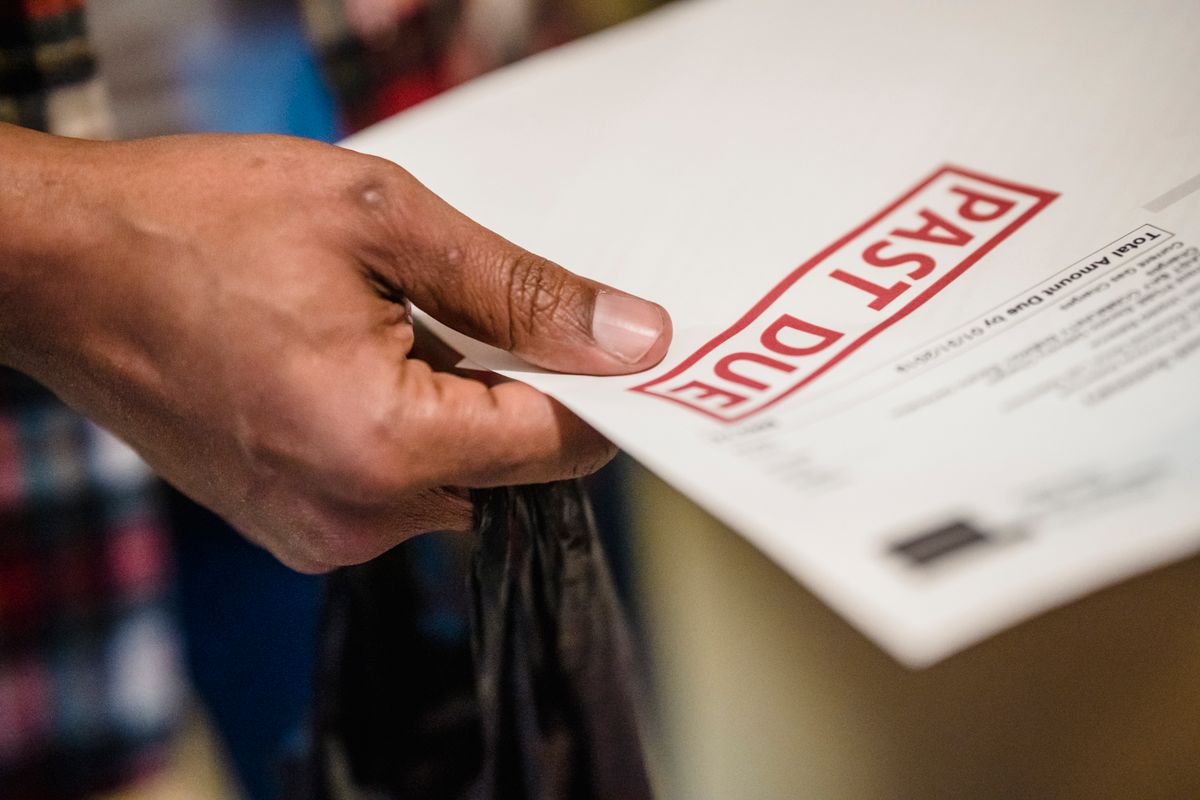
You open your mailbox and find a letter from a company you’ve never heard of. It says you owe money, lists an account number, and threatens legal action. Your first instinct might be to panic, call them back immediately, or ignore it entirely. All three are mistakes.
A debt collection letter is a formal communication with specific legal requirements behind it. Once you know how to read one, you can respond strategically, protect your rights, and avoid the traps collectors set for uninformed debtors. This guide walks you through every section of a typical collection letter and tells you exactly what to do next.
What Is a Debt Collection Letter?
A debt collection letter (also called a “dunning notice” or “initial communication”) is sent by a third-party debt collector after your original creditor sells or assigns your account to a collection agency. Under the Fair Debt Collection Practices Act (FDCPA), collectors are required by law to send you a written notice within five days of their first contact.
That notice must include:
- The amount of the debt
- The name of the creditor you owe
- A statement that you have 30 days to dispute the debt
- A statement that if you dispute the debt in writing, the collector will obtain and mail verification
- A statement that if you don’t dispute, the debt will be assumed valid
If the letter you received doesn’t include these items, that’s a red flag. The collector may be violating the FDCPA, which means you may have legal recourse. The CFPB’s debt collection resource center has everything you need to understand your rights.
Section by Section: How to Read the Letter
1. The Collector’s Identity
Look at the top of the letter. Who sent it? Is this the original creditor (like Chase or Citi) or a third-party collection agency? The rules are different. The FDCPA only applies to third-party collectors, not original creditors collecting their own debts.
If it’s a collection agency, note the name and look them up. Search for them on the Better Business Bureau and check the CFPB complaint database. Some agencies have long records of illegal practices.
2. The Account and Amount Claimed
The letter should list an account number (often partially redacted), the original creditor’s name, and the total amount claimed. This is where many debtors make their first mistake: they assume the number is correct.
Collectors can and do add interest, fees, and collection costs. The amount on the letter may be significantly higher than what you actually owed on the original account. Before paying anything, you need to verify that number.
Also check: is this debt yours at all? Debt buyers sometimes purchase old, inaccurate, or fraudulent accounts. Identity theft victims regularly receive collection letters for debts they never incurred.
3. The Validation Notice
Buried in the fine print is the most important sentence in the letter: your right to dispute the debt within 30 days. This is called your validation right, and it’s protected by federal law.
If you dispute the debt in writing within 30 days, the collector must stop all collection activity until they verify the debt and send you that verification. This is not optional for them. If you miss this 30-day window, you don’t lose all your rights, but you do lose the most powerful one.
Our deep-dive on how to use debt validation to your advantage covers exactly what to send and what to expect back.
4. The Threats and Deadlines
Many collection letters include alarming language: “immediate legal action,” “credit damage,” “account forwarded for litigation.” Read this section carefully but don’t let it control you.
Under the FDCPA, collectors cannot:
- Threaten legal action they don’t intend to take or aren’t legally allowed to pursue
- Misrepresent the amount owed
- Use obscene or abusive language
- Claim to be attorneys or law firms if they are not
- Threaten to have you arrested (debt is a civil matter, not criminal)
If you see any of these, document it. Screenshot or photograph the letter and keep the envelope with the postmark. These could be FDCPA violations worth $1,000 in statutory damages per violation.
The Statute of Limitations: Check Before You Respond
Before you do anything, research the statute of limitations for debt in your state. This is the window of time during which a collector can legally sue you to collect the debt. Most states range from 3 to 6 years, though some go longer.
If your debt is old, it may be “time-barred.” A collector can still contact you and ask you to pay, but they cannot legally sue you. Here’s the trap: if you make a payment on a time-barred debt, you may “restart the clock” in many states, making yourself legally vulnerable again.
Never acknowledge a debt in writing or make a payment on an old account without first confirming whether it’s time-barred. If you’re unsure, consult with a consumer law attorney or a nonprofit credit counselor before responding. Our comparison of nonprofit credit counselors vs for-profit debt settlement companies can help you find the right kind of help.
Your Response Options: What to Do Next
Option 1: Send a Debt Validation Letter
If you’re within the 30-day window (and ideally you should act within 5-7 days of receiving the letter), send a written debt validation request. Send it via certified mail with return receipt. Keep a copy.
The letter should state clearly that you are disputing the debt and requesting written verification, including the name of the original creditor, the amount breakdown, and proof that the collection agency is licensed to collect in your state.
Do not include any personal financial information. Do not admit any portion of the debt is valid. Simply request verification.
Option 2: Dispute an Error on the Underlying Account
If you believe the debt isn’t yours, the amount is wrong, or the account was already paid or discharged in bankruptcy, you have the right to dispute it directly with the credit bureaus as well. File disputes with Equifax, Experian, and TransUnion simultaneously.
Option 3: Negotiate a Settlement
If the debt is valid and you have funds, collection accounts are often settled for less than the full balance. Debt buyers purchase accounts for pennies on the dollar, which gives them room to negotiate.
Get any settlement agreement in writing before paying a single dollar. The agreement should specify the amount, the settlement as payment in full, and that the collector will report the account as settled to the credit bureaus. Our full guide on how to spot legitimate debt relief help walks through this process.
Option 4: Do Nothing (and Why That’s Rarely Right)
Ignoring a collection letter doesn’t make the debt disappear. The collector can sue you. If they get a judgment, they may be able to garnish your wages, levy your bank account, or place a lien on your property. The one exception is if the debt is clearly time-barred, you have no assets, and you have no intention of negotiating. Even then, consult with a professional first.
Red Flags: Signs of a Scam or Illegal Practice
Debt collection scams are common. Here’s what to watch for in any letter:
- No physical address for the collection agency (PO boxes only is a warning sign)
- Demands for payment by wire transfer, prepaid debit card, or cryptocurrency
- Refusal to provide written validation when requested
- Threatening arrest, criminal charges, or deportation
- Pressure to pay “today only” to avoid legal action
- Claiming to be police, government agencies, or attorneys with no documentation
If you experience any of these, report the collector to the CFPB complaint portal and your state attorney general’s office immediately.
The Bottom Line
A debt collection letter is not the end of the road. It’s an opening move. The collector has obligations under federal law, and you have rights that are stronger than most people realize. Read every word of the letter, verify the debt before paying anything, act within the 30-day validation window if possible, and never let fear push you into a bad decision.
The collectors who profit most are the ones dealing with uninformed debtors. You’re not that person anymore.