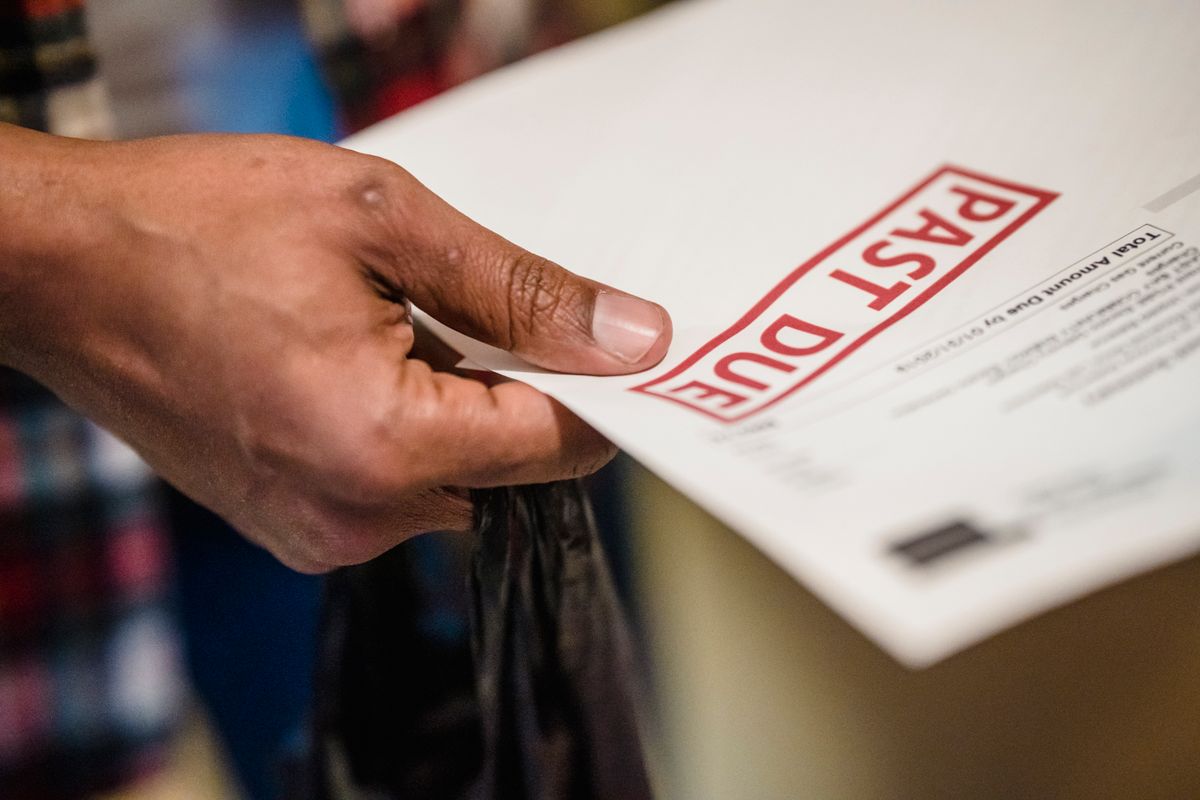
A collections notice in the mail or your inbox can feel like a gut punch. Your first instinct might be to call the number on the letter, pay whatever they ask, or simply ignore it and hope it goes away. The FTC’s debt collection FAQ explains exactly what collectors can and cannot legally do, which is critical context before you respond to any notice. All three of those instincts can make your situation significantly worse.
The right move is to slow down, understand what you are actually dealing with, and respond deliberately. In 2026, AI tools can walk you through that process step by step, help you draft the right response, and flag legal protections you may not know you have.
What a Collections Notice Actually Means
A collections notice means a creditor has either assigned your debt to an internal collections department or sold it to a third-party debt collector. Either way, the original debt is still real and still owed. What changes is who you owe it to and what rules govern the interaction.
Under the Fair Debt Collection Practices Act (FDCPA), third-party debt collectors have specific rules they must follow. They must send you a written notice within five days of first contacting you. That notice must include the amount of the debt, the name of the original creditor, and a statement of your right to dispute the debt within 30 days.
That 30-day window is critical. If you dispute in writing within 30 days, the collector must stop collection activity until they verify the debt. The Consumer Financial Protection Bureau has a full breakdown of your rights under the FDCPA that is worth reading before you respond to anything.
Why You Should Not Call Without Preparing First
Debt collectors are trained to keep you on the phone and get you to make a payment or admit to a debt. Both of those actions can restart the statute of limitations on older debts, meaning a debt that might have been legally uncollectible becomes active again the moment you make even a partial payment.
Before you say or do anything, use an AI tool to understand what you are dealing with. This is where the combination of AI knowledge and your specific situation becomes genuinely useful.
Step 1: Feed the Notice to Your AI Tool
Open ChatGPT, Claude, or another AI tool and paste or describe the key details of the collections notice you received. Do not include your Social Security number or full account number; you do not need to share those to get useful guidance.
Use a prompt like this:
I received a collections notice from [collector name] claiming I owe $[amount] on a debt that was originally with [original creditor]. The notice is dated [date]. The original account was from approximately [year]. I live in [your state]. What are my rights under the FDCPA, and what should my first step be before I respond or pay anything?
The AI will explain whether the debt might be past the statute of limitations in your state (which varies from 3 to 10 years), what your 30-day dispute window looks like, and what a debt validation letter is. It will also flag if anything about the notice sounds unusual or potentially deceptive.
Step 2: Send a Debt Validation Letter First
Before you pay, dispute, or negotiate anything, your first move should almost always be to request debt validation in writing. This forces the collector to prove the debt is real, the amount is accurate, and they have the legal right to collect it.
Ask your AI tool to draft this letter for you:
Write a professional debt validation letter that I can send via certified mail to [collector name]. The letter should invoke my rights under the FDCPA, request full verification of the debt including the original creditor name, account number, and amount, and ask them to cease contact until they provide this verification. My name is [Your Name] and their reference number on the notice is [reference number].
The AI will produce a clean, professional letter you can customize and send. Always send debt validation letters via certified mail with return receipt so you have proof of delivery. Keep a copy of everything.
We also cover AI-assisted letter drafting in depth in our post on how to use Claude to write letters that actually work.
Step 3: Evaluate the Response (or Non-Response)
After you send a validation letter, one of three things will happen:
- They send verification. Review it carefully. If the debt is yours, the amount is correct, and it is within the statute of limitations, you move to negotiation.
- They stop contacting you. This sometimes means they cannot verify the debt and are moving on. Do not assume the debt is gone; it may still appear on your credit report.
- They continue collecting without verifying. This is an FDCPA violation. Document everything and consider filing a complaint with the CFPB or FTC, or consult a consumer attorney.
Bring whatever response you receive back to your AI tool. Paste the key points and ask whether the verification they provided is legally sufficient. The AI can flag missing elements or red flags you might not know to look for.
Step 4: Use AI to Negotiate a Settlement
If the debt is valid and you decide to settle, AI can help you here too. Debt collectors typically purchase old debts for pennies on the dollar, which means there is room to negotiate. Settlements of 40 to 60 cents on the dollar are common for older debts.
Before you call, use AI to prepare:
I have verified a debt of $3,400 with [collector name]. The original account is about 3 years old. I can realistically offer $1,500 as a lump sum settlement. Write a script I can use on the phone to negotiate this settlement, including how to open the negotiation, how to counter if they reject my first offer, and what to ask for in writing before I pay anything.
For more AI-powered scripts to use when calling creditors, see our complete guide to AI debt scripts for calling your creditors.
Always Get It in Writing Before You Pay
This is non-negotiable. Before you make any payment on a settled debt, get a written agreement that states the settlement amount, confirms it satisfies the debt in full, and specifies what they will report to the credit bureaus. Ask your AI tool to review the agreement language before you sign anything. “Paid in full” and “settled for less than full amount” have very different impacts on your credit report.
What AI Cannot Do Here
AI tools are powerful for preparation, drafting, and research. They are not a substitute for legal advice when the situation escalates. If a collector is violating the FDCPA, suing you, or garnishing wages, you need a real attorney. Many consumer attorneys handle FDCPA cases on contingency, meaning they only get paid if you win.
The National Foundation for Credit Counseling can also connect you with a certified counselor if you are managing multiple collections accounts and need a structured plan.
AI tools are not licensed financial advisors. Use these prompts as a starting point and verify important information with a certified credit counselor or attorney, especially if you are considering disputing a debt, negotiating a settlement, or taking legal action.
The Most Common Mistakes to Avoid
Based on consumer protection guidance, the following mistakes come up repeatedly when people respond to collections notices:
- Paying without validating: You may pay a debt that was already past the statute of limitations or that does not legally belong to you.
- Ignoring the notice entirely: Collectors can and do sue. Ignoring a lawsuit leads to a default judgment against you, which can result in wage garnishment.
- Giving too much information over the phone: Verbal conversations are hard to prove. Put everything in writing.
- Making a partial payment on an old debt: In many states, this resets the statute of limitations clock.
Understanding your full situation, including which debts to address first, is covered in our guide on how to prioritize which debts to pay first.
Bottom Line
A collections notice is serious, but it is not a reason to panic and it is not a reason to pay immediately without thinking. Slow down. Validate the debt. Use AI to prepare your response and draft your letters. Know your rights before you pick up the phone.
The collectors are prepared for most callers who come in unprepared. Come in prepared instead.