Debt negotiation letters have one job: get the creditor or collector to agree to better terms before you hand over a single dollar. The problem is that most people have never written one, do not know what to include, and cannot afford to pay a debt attorney to draft it for them.
ChatGPT changes that. With the right prompts, you can draft a professional, legally aware negotiation letter in under 10 minutes. This guide shows you exactly how, with real example prompts you can copy and adapt today.
What Makes a Debt Negotiation Letter Work
Before you write a single word, understand the goal. You are not begging. You are making a business case. Creditors and collectors are in the business of recovering money. A letter that demonstrates you understand your rights, explains your financial situation clearly, and makes a concrete offer is far more effective than a vague appeal for mercy.
The key elements of any effective debt negotiation letter:
- Your account information and the debt you are referencing
- A brief, factual explanation of your hardship
- A specific settlement offer or request (a reduced payoff, a payment plan, a lower interest rate)
- A clear deadline for the creditor to respond
- A request that any agreement be sent in writing before you pay
That last point is critical. Never pay a debt settlement without a written agreement first. This protects you from the collector taking your money and still pursuing the remaining balance. Read more about your rights when negotiating with a debt collector before you start.
How to Use ChatGPT for This (Step by Step)
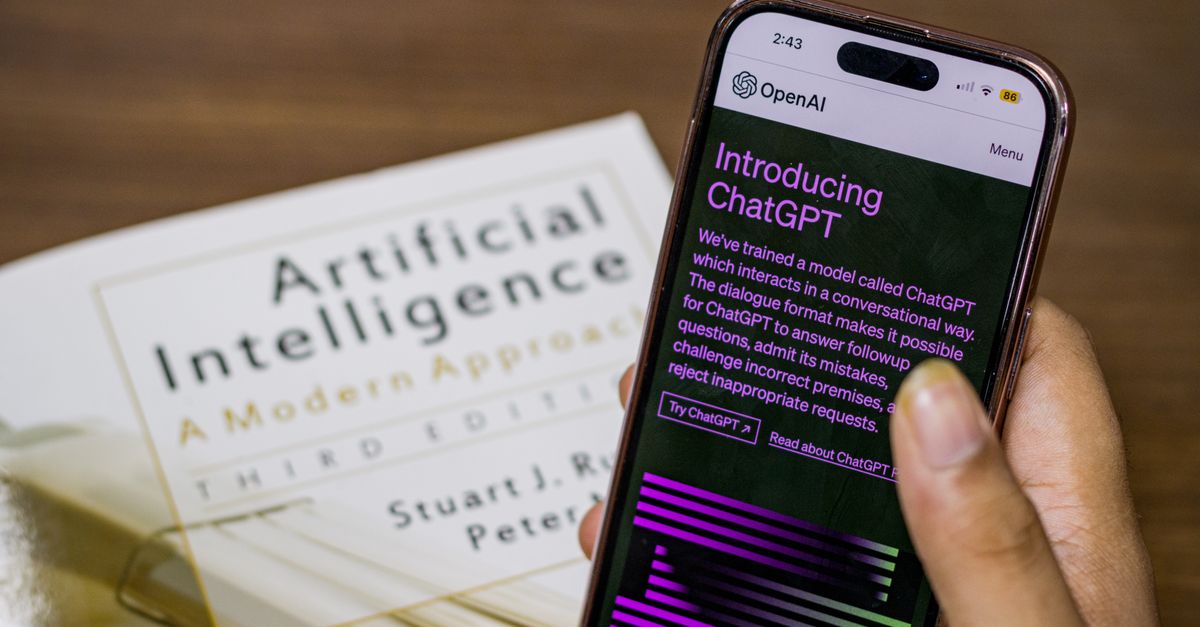
Open ChatGPT at chat.openai.com. The free version works fine for this task. Then use the prompts below, adapting the details to your situation.
Prompt 1: Settlement Offer to a Debt Collector
Use this when a third-party collection agency has purchased your debt and is trying to collect. Collectors typically buy debts for 1-10 cents on the dollar, so there is real room to negotiate.
Write a professional debt settlement letter from me to [Collection Agency Name]. I owe an original debt of $[amount] on a [credit card / medical bill / personal loan] that was originally with [original creditor]. I am experiencing financial hardship due to [job loss / medical expenses / reduced income] and I am offering a lump-sum settlement of $[your offer, typically 30-50% of the balance] to resolve this account in full. The letter should: request written confirmation of the settlement terms before I pay, ask them to update the credit bureaus to reflect “settled” or “paid,” include a 14-day deadline for their response, and use a firm but professional tone. My name is [Name], account number is [XXXX], and my address is [address].
Prompt 2: Hardship Letter to an Original Creditor
This is for when you are still dealing directly with your bank or credit card company, not a collector. Original creditors often have hardship programs that are never advertised. A good hardship letter can get you a reduced interest rate, a temporary payment pause, or a waived late fee.
Write a hardship letter to [Bank/Credit Card Name] requesting enrollment in their financial hardship program. I have been a customer since [year] and my account number is [XXXX]. Due to [specific hardship: medical bills, unemployment, divorce, etc.], I have fallen behind on my payments and am struggling to make the minimum payment of $[amount] each month. I would like to request a temporary interest rate reduction, a reduced minimum payment of $[proposed amount], and a waiver of recent late fees. I want to pay this debt and remain a customer. Please use a respectful, factual tone. Do not include any information I haven’t provided; leave placeholders for anything I need to fill in.
Prompt 3: Pay-for-Delete Request
A pay-for-delete letter asks the collector to remove the negative item from your credit report in exchange for full or partial payment. This is not guaranteed under law but many smaller collectors will agree. Larger collectors rarely do, but it is always worth asking.
Write a pay-for-delete letter to a debt collection agency. I want to offer to pay the full balance of $[amount] on account [XXXX] in exchange for the complete removal of this account from all three of my credit reports (Equifax, Experian, and TransUnion). The letter should make clear that payment is contingent on receiving written confirmation that the deletion will occur, ask them to provide this confirmation within 10 business days, and include a professional closing. My name is [Name] and my mailing address is [address].
Refining the Output: How to Get Better Letters
ChatGPT’s first draft is a starting point, not the finished product. Here is how to sharpen the output:
Be more specific in your prompt. The more detail you give ChatGPT (the exact debt amount, who you’re writing to, what you want), the more tailored the letter will be. Vague input produces generic output.
Ask it to revise for tone. If the first draft feels too aggressive or too passive, follow up with: “Revise this to sound more firm” or “Make this less confrontational and more cooperative.”
Ask it to add or remove specific clauses. For example: “Add a sentence invoking my rights under the Fair Debt Collection Practices Act” or “Remove the reference to my address since I want to use a P.O. box.”
Ask it to check for accuracy. After the draft is written, ask: “What FDCPA rights should I be aware of when sending this letter?” ChatGPT can surface legal context you may not know to look for, though you should always verify current rules with the CFPB directly.
What to Do After You Send the Letter
Send all debt negotiation letters via certified mail with return receipt. This creates a paper trail and proves delivery. Keep copies of everything.
If a collector calls after receiving your letter, you are not required to negotiate verbally. You can say: “I prefer all communication in writing. Please respond to the letter I sent via certified mail.” This keeps everything documented and prevents misunderstandings.
Know that collectors may reject your first offer. That is normal. Negotiation is a process. Counter back. Many settlements go through 2-3 rounds before an agreement is reached. If you are already struggling to make minimum payments, read what to do when you can’t make your minimum payments for a broader action plan.
Once you reach an agreement, never pay until you have that agreement in writing. Then pay by personal check or money order (not wire transfer or gift cards, which are red flags for scams) and keep your payment confirmation indefinitely.
When ChatGPT Is Not Enough
AI is a powerful drafting tool, but there are situations where you need a human professional:
- The debt is large (over $10,000) and you want someone experienced reviewing the final agreement
- You believe the debt is past the statute of limitations for your state
- The collector has made threats or violated your rights under the FDCPA
- You are facing a lawsuit over the debt
In any of these cases, a nonprofit credit counselor or a consumer law attorney is the right move. The NFCC offers free or low-cost counseling at NFCC.org. Many consumer law attorneys also offer free consultations for FDCPA violations and work on contingency, meaning you pay nothing upfront.
ChatGPT can help you prepare for hard creditor conversations and draft letters you could not write alone. Use it as a force multiplier, not a replacement for judgment.